Ground Floor
Neo Hospital,
D 170, Sector 50

9910681001 Neo hospital
Your Vision....
Comes First
Diabetes mellitus is emerging as a major public health problem in India. It is a multisystem disorder which affects the heart, kidneys, peripheral nerves and the eyes. Involvement of the retina is called diabetic retinopathy, and can lead to blindness. In patients with more than twenty years of diabetes, nearly all patients with type I diabetes (insulin-dependent) and more than 60% of those with type II diabetes (non-insulin dependent) will have some degree of retinopathy. This also depends on how well the disease has been controlled.
Vision First offers comprehensive facilities for the medical and surgical management of diabetic retinopathy by the most experienced and renowned retinal surgeon.
What is diabetic retinopathy?
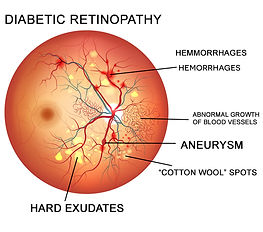
Diabetic retinopathy is an eye problem that can be caused by either type 1 or type 2 diabetes mellitus. Retinopathy occurs when diabetes damages the tiny blood vessels in the retina. The weakened blood vessels may leak fluid and blood.
Who are at risk for developing diabetic retinopathy?
Those with poorly controlled blood sugar levels are at a high risk of developing diabetic retinopathy. In addition, high blood pressure, high cholesterol, anemia, kidney disease and pregnancy can all place a patient at greater risk of suffering from diabetic eye disease.
How frequently should I get my eye examined?
If you have diabetes, you should get a yearly examination by your ophthalmologist. Once you develop diabetic retinopathy, your ophthalmologist may advise further investigations or treatment. A periodic follow up as advised by your ophthalmologist is mandatory. The frequency of these follow up visits is decided based on the severity of the disease.
What are the symptoms of diabetic retinopathy?
There may be no symptoms in the early stages, especially when the central portion of the retina is not involved. As the retinopathy progresses, you may have:
-
Blurred vision
-
Floaters, which can look like black spots, little threads, or cobwebs
-
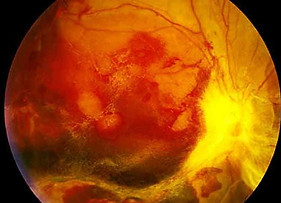
Bleeding in the eye causing sudden loss of vision
-
Temporary or permanent loss of vision.
How does diabetic retinopathy cause vision loss?
1. Fragile, abnormal blood vessels can develop and leak blood into the center of the eye, blurring vision.
2. Fluid can leak into the center of the macula, the part of the eye where sharp, straight-ahead vision occurs. The fluid makes the macula swell, blurring vision. This condition is called macular edema.
How are diabetic retinopathy and macular edema detected?
Diabetic retinopathy and macular edema are detected during a comprehensive eye exam at your eye doctor’s clinic.
Your eye care professional may suggest a fluorescein angiogram. The test allows your eye care professional to identify any leaking blood vessels.
How is diabetic retinopathy treated?
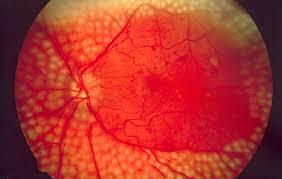
Proliferative retinopathy is treated with laser surgery. This is called scatter laser treatment.
If the bleeding is severe, you may need a surgical procedure called a vitrectomy.
Macular edema is treated with antiVEGF or steroid injections if involving the central retina. Lasers are done as adjunctive treatment or alone.